If you grew up in Texas like I did, you know how much life happens outside. Shelling peas on the porch with Grandma, watching kids chase fireflies in the yard, feeling that evening breeze after a hot summer day. For many of our parents and grandparents, some of their best memories are tied to front yards, gardens, and back porches.
That is why, at Mercy House here in Texas, we put a lot of heart into our outdoor spaces. For seniors, especially those with memory care needs, having a safe and welcoming place outside is not a luxury. It is an important part of their health, mood, and sense of dignity.
Mercy House has six small homes across Texas that focus on assisted living and memory care. We do not look or feel like big, impersonal facilities. We are homes where residents are known by name, where staff have time to sit, talk, and walk outside with your loved one. Outdoor spaces are a big part of that home feeling.
Below, I want to walk you through why gardens, walking paths, and safety features matter so much for seniors, and how Mercy House builds them into daily life.
Why Outdoor Time Matters for Seniors
Outdoor time brings together several things our seniors need for both body and mind.
Physical health benefits
When residents spend time outside, even for short periods, it helps:
- Support better sleep by helping regulate their natural day and night rhythms
- Improve appetite because a bit of movement and fresh air often makes folks more willing to eat
- Maintain strength and balance through gentle walking and standing
- Support heart and lung health with light activity
- Ease joint stiffness when they move instead of sitting all day
For many seniors, especially those who are unsteady or living with dementia, going to a busy park or large public area is not realistic. A calm, secure yard or garden at their own home is a much better fit.
Emotional and mental health benefits
Being outside is not just about exercise. It also helps:
- Lower anxiety and restlessness
- Improve mood and reduce feelings of depression
- Offer a sense of freedom instead of feeling “shut in”
- Bring back pleasant memories of gardening, hanging laundry, or rocking on the porch
For residents with memory loss, feeling calm and safe is extremely important. Sunlight, birdsong, flowers, and gentle movement can all help reduce agitation and confusion.
Social connection and daily routine
Outdoor spaces also support:
- Simple social visits on the patio with friends or family
- Small group activities like morning coffee outside or afternoon music
- Seasonal events such as spring planting or fall decorations
This kind of routine becomes especially helpful in memory care. Going
outside after breakfast or taking an early evening stroll can become a
regular, comforting pattern that makes the day feel more predictable
and peaceful.
Why Small Homes Make Outdoor Spaces More Meaningful
Mercy House has six homes across Texas, and each one is intentionally small. That size matters.
When you walk into a large institutional facility, it can feel overwhelming, noisy, and confusing for someone with memory challenges. Outdoor areas in those settings can be large, busy, or simply too far away from a resident’s room.
At Mercy House, our homes are designed so that:
- Outdoor spaces feel like an extension of the living room or kitchen, not a separate, distant area
- Residents can see the yard or patio from inside, which invites them to go out
- Staff can easily keep an eye on residents while still letting them enjoy some independence
Because our staff-to-resident ratio is low, team members have the time and ability to walk outside with residents, sit on the patio, or encourage a short stroll. The outdoor space is not just a pretty backdrop. It is part of daily life.
Gardens that Feel Like Home
A lot of our residents spent years tending flower beds, vegetable patches, or at least a few potted plants on the porch. When they move into a Mercy House home, having gardens outside helps them feel more like themselves again.
What our gardens provide
Our outdoor gardens are set up to:
- Offer safe, level ground so residents can walk, sit, and stand without risky steps or deep holes
- Include raised beds or potted plants that are easier to reach without a lot of bending
- Use familiar plants like roses, herbs, and seasonal flowers that spark memories
- Provide seating areas where residents can rest, visit, or simply watch the birds
Most importantly, the gardens are secure and enclosed so that
residents, especially those with dementia, can enjoy them without fear
of wandering away.
Gentle participation, not pressure
Not every resident wants to dig in the dirt, and that is perfectly fine. Participation is always based on interest and ability. Some ways
residents might enjoy the gardens include:
- Helping water a few plants with a small watering can
- Smelling herbs like mint, rosemary, or basil
- Picking a flower to place on the dining table
- Watching staff or visiting family do the gardening while they sit nearby
These small moments can trigger warm memories of “back when” and help a person feel useful, not just looked after.
Walking Paths for Safe Movement
Many families tell us they worry about Mom or Dad pacing at home or taking unsafe walks down the street. At Mercy House, we work with that natural need to move by providing safe, contained walking paths.
Features of our walking paths
Our walking paths are designed with seniors in mind. They typically:
- Form a continuous loop so residents do not feel “stuck” or forced to turn around in a confusing way
- Use smooth, even surfaces to reduce the risk of tripping
- Avoid steep slopes that could challenge weaker legs
- Include sturdy handrails or nearby fencing in certain areas when needed
- Offer plenty of seating so residents can rest when they get tired
These thoughtful details mean a resident who likes to walk can do so more freely, without the family worrying constantly about falls or wandering.
Supporting memory care needs
For residents living with dementia, walking paths help channel restless energy into safe activity. Combined with supervision and our low staff-to-resident ratio, walking outside is not only safer, but also more pleasant.
Staff members often:
- Walk alongside residents during certain times of day when restlessness is common
- Use walks as a chance to talk about the weather, birds, old family stories, or hometown memories
- Gently guide residents back inside when it is time for a meal, medication, or rest
This kind of calm, purposeful walking often lessens agitation and supports better sleep at night.
Safety Features Families Can Trust
When your loved one lives with memory challenges, you want them to enjoy the outdoors, but you also need to know they are secure. At Mercy House, we take outdoor safety very seriously while still trying to keep everything warm and homelike.
Key safety elements
Outdoor areas at Mercy House homes generally include:
- Secure fencing or enclosed courtyards to prevent wandering away from the property
- Gates that are monitored or have controlled access
- Good lighting along paths and seating areas for early mornings and evenings
- Non-slip walking surfaces to prevent falls when the ground is damp
- Clear transitions between indoor and outdoor floors to reduce tripping hazards
We also consider plant choices. We avoid prickly or toxic plants in resident areas and favor plants that are pleasant to touch and smell.
Supervision and awareness
Buildings and yards are only part of the equation. Real safety also comes from attentive caregivers.
Because our homes are smaller and our staff-to-resident ratio is lower than most large facilities, team members have a better sense of:
- Which residents like to be outside more often
- Who needs more supervision or physical help with walking
- What times of day each resident tends to be more confused or restless
That personal knowledge is a major advantage of the Mercy House model. Outdoor time is not a “one size fits all” experience. It is adjusted to each resident’s abilities and mood on any given day.
How Outdoor Spaces Fit into Daily Life at Mercy House
The true value of gardens and walking paths shows up in how they are used every day. At Mercy House homes, outdoor spaces are woven into regular routines, not just saved for special occasions.
Here are some ways outdoor areas often support daily life:
- Morning sunlight Residents may enjoy coffee or tea on the patio, helping their bodies recognize morning and improve sleep patterns.
- Light exercise Short, supervised walks on the paths after meals can aid digestion and reduce restlessness.
- Quiet visits Families can sit with their loved one in the garden, which often feels more natural and less “clinical” than a bedroom or lobby.
- Meaningful activities Simple games, birdwatching, listening to music, or light gardening can all take place outside when weather permits.
In Texas, we know the weather can be hot, so staff are always attentive to hydration, shade, and limiting time outside during the most intense heat. Covered patios, fans, and shaded seating help make outdoor time safer and more comfortable.
Questions to Ask About Outdoor Spaces When You Tour
If you are visiting senior homes for your parent, it helps to know what to look for in outdoor design. Whether you tour a Mercy House home or another option, consider asking:
- Is the outdoor area easy to reach from common rooms or bedrooms
- Is the yard or patio secure for someone with memory loss
- Are there safe, even walking paths without steep slopes
- Are there benches or chairs along the paths for resting
- Is there shade and protection from the Texas sun
- How often do residents actually go outside as part of daily routines
- Do staff have time to accompany residents on walks
At Mercy House, we welcome these questions. We want you to see how the outdoor spaces really work, not just how they look in a brochure.
Why Families Choose Mercy House for Memory Care in Texas
Making the decision to move a loved one into assisted living or memory care is heavy on the heart. Most families wait as long as they can, often longer than is ideal, because they do not want their mom or dad in a cold, institutional setting.
Mercy House was created to be different. Our six homes across Texas are designed to feel like a true home, with:
- Smaller, more personal settings instead of huge buildings
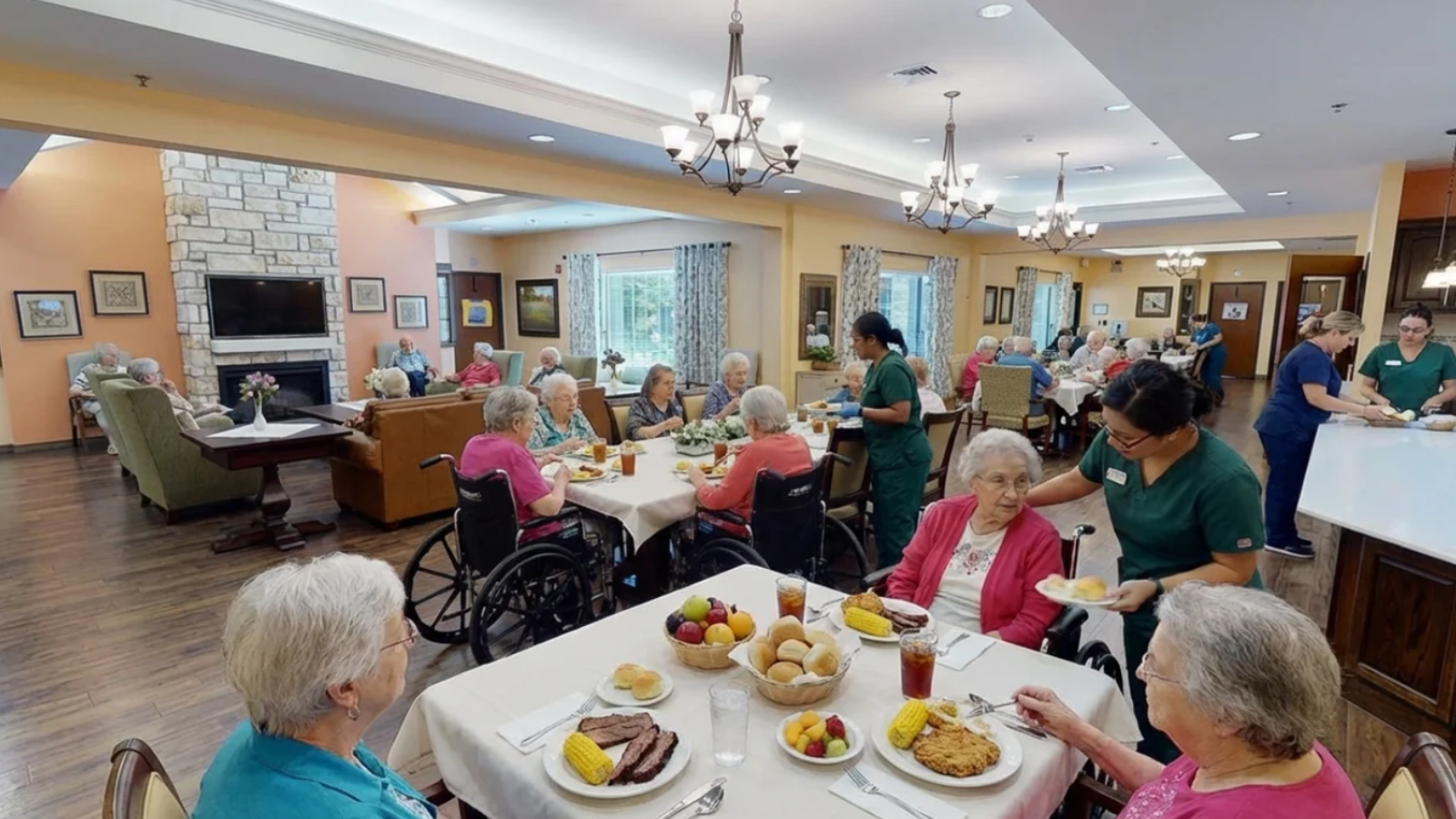
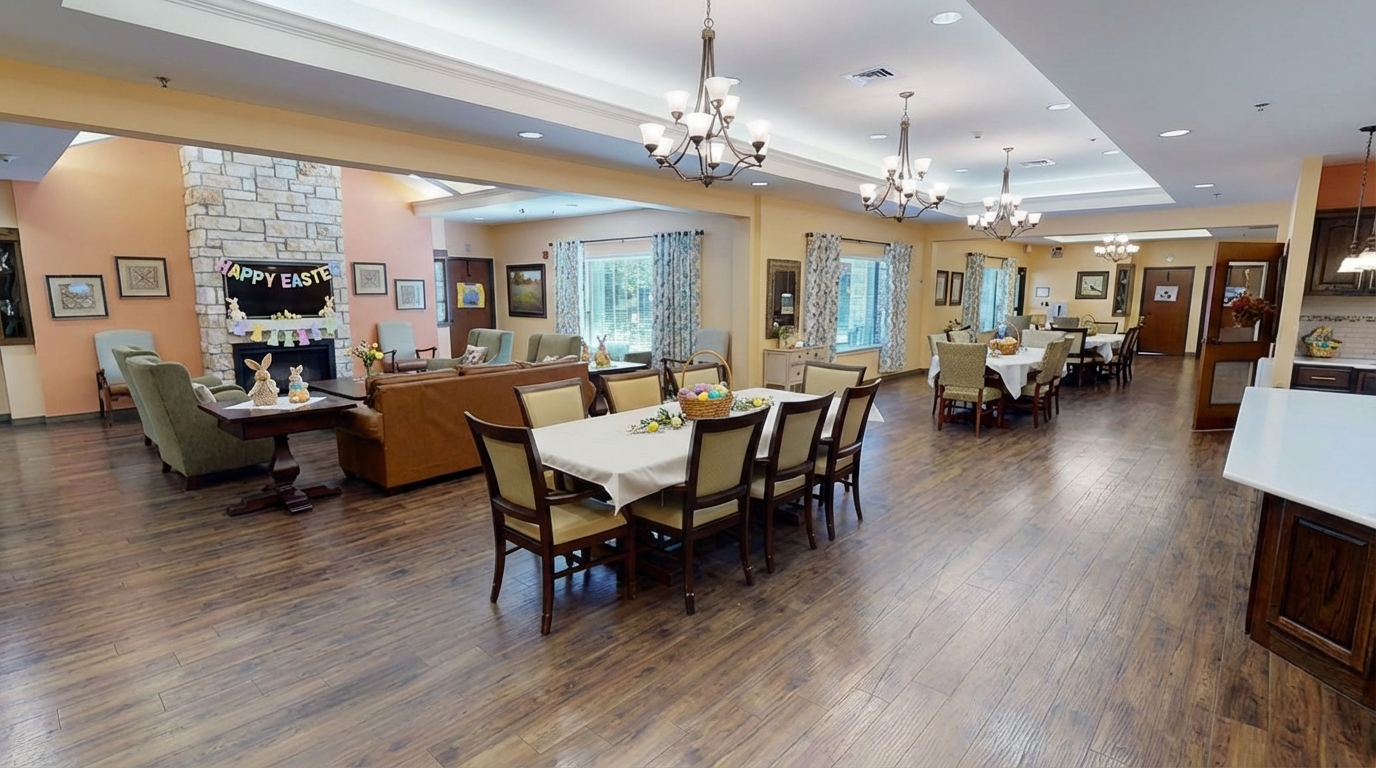
- Comfortable living rooms and dining spaces that look familiar
- Low staff-to-resident ratios so your loved one is truly known
- Secure outdoor areas that feel like a backyard, not a locked yard
For residents, especially those with dementia, being able to sit in the sun, smell the flowers, or walk a safe path can mean the difference between feeling trapped and feeling at home.
Final Thoughts
Outdoor spaces are not just an add-on for senior living. For many older Texans, they are a lifeline to the life they once knew, and to the dignity they still deserve.
At Mercy House homes across Texas, gardens, walking paths, and carefully planned safety features help residents enjoy the simple pleasures of fresh air and sunshine, while families have peace of mind knowing their loved one is secure.
If you are starting to explore assisted living or memory care for your parent, I encourage you to visit and step outside. Stand in the yard. Walk the paths. Picture your loved one there. For many families, that is the moment they realize that a small, homelike setting with real outdoor life is what they have been hoping to find.
If you would like to learn more about Mercy House and our six Texas homes, or schedule a visit, we would be honored to talk with you and walk the grounds together.