If you are caring for an aging parent in Texas, you already know that change can be hard. A new doctor, a different shampoo, a slightly altered routine at home – any of these things can throw Mom or Dad off for an entire day. When memory loss enters the picture, those small changes stop being small at all.
That is where consistent caregivers come in. At Mercy House, with our many home-style communities across Texas, we see every day how powerful it is when the same familiar faces show up for your loved one again and again.
In this post, I want to walk you through why consistent caregivers matter so much for seniors, especially those with dementia or Alzheimer’s, and how the Mercy House approach makes that consistency possible.
Why Familiar Faces Matter So Deeply in Memory Care
When memory starts to fade, the world can feel confusing. The mind struggles to organize what is happening right now, and new people or new places can feel overwhelming. A familiar caregiver becomes an anchor.
Here is what consistent caregivers provide for seniors:
- Trust that is earned over time
Trust does not happen in a single shift. It grows when your loved one sees the same caregiver every morning. The same gentle voice, the same patient smile, the same way of helping with a sweater or a glass of water.
Over time, your parent begins to relax. They recognize that this person is safe, that they will be kind, and that they will not rush or ignore them. In memory care, that kind of earned trust can turn a fearful day into a calm one.
- A reliable routine that feels safe
Seniors with memory loss often lean on routine more than memory. They may not remember yesterday, but their body and emotions remember patterns.
When the same caregivers support the same routines:
- Morning care happens in a familiar order
- Meals feel predictable and comfortable
- Medication is given at the same times by the same person
- Favorite activities are offered by someone who remembers what they like
That steady rhythm can reduce anxiety, confusion, and agitation. It gives your loved one a sense of “I know what comes next,” even if they cannot explain it in words.
- Emotional security in a changing world
Memory loss slowly takes away pieces of what used to be normal. A familiar caregiver becomes a steady emotional presence when so much else is slipping away.
With consistent caregivers, your parent is less likely to feel:
- Startled by new faces in their personal space
- Suspicious when someone tries to help them bathe or dress
- Embarrassed or ashamed when they need extra help, because they know this person understands
Instead, they are more likely to feel:
- Seen and understood
- Comfortable asking for help
- Calm during personal care tasks that can otherwise be upsetting
That emotional security is not a luxury. For a senior with memory loss, it can be the difference between a peaceful day, and a day filled with fear and frustration.
Why Mercy House Homes Make Consistent Care Possible
Large, institutional nursing homes often struggle to keep the same caregivers with the same residents. High turnover, big staff pools, and rotating assignments can mean your loved one sees a different face every few days.
Mercy House is different.
Across our six Mercy House homes in Texas, we are built on a smaller, more personal model. We are not a huge complex with long hallways and endless wings. Each Mercy House location is a real residential-style home, with a small group of residents and a tight-knit care team.
That smaller scale makes consistent caregiving a natural part of daily life.
Small homes, strong relationships
Because each Mercy House home has a limited number of residents, our caregivers are not rushing between dozens of people. They have the time and space to:
- Learn each resident’s history, likes, and dislikes
- Notice subtle changes in mood, appetite, or mobility
- Sit, listen, and chat instead of just “getting the task done”
Residents do not feel like a number because they are not one. They become known, not only by name, but by story. Our staff know which resident loves country music, who prefers coffee over tea, and who needs a little extra encouragement at meal times.
Low staff-to-resident ratios
At Mercy House, we keep a low staff-to-resident ratio so that our caregivers can focus on real connection. That means:
- Fewer caregivers in and out of your loved one’s room
- More chances for the same caregivers to be present at the same times each day
- Better continuity in care plans, because the people carrying out that care already know your loved one well
Low ratios are not just a number for us. They are the practical way we protect that precious consistency your parent needs.
A home, not an institution
Families who choose Mercy House are often very clear about one thing. They do not want a large, impersonal nursing home. They want a home.
Mercy House homes are secure, safe, and licensed, but they still feel like real homes:
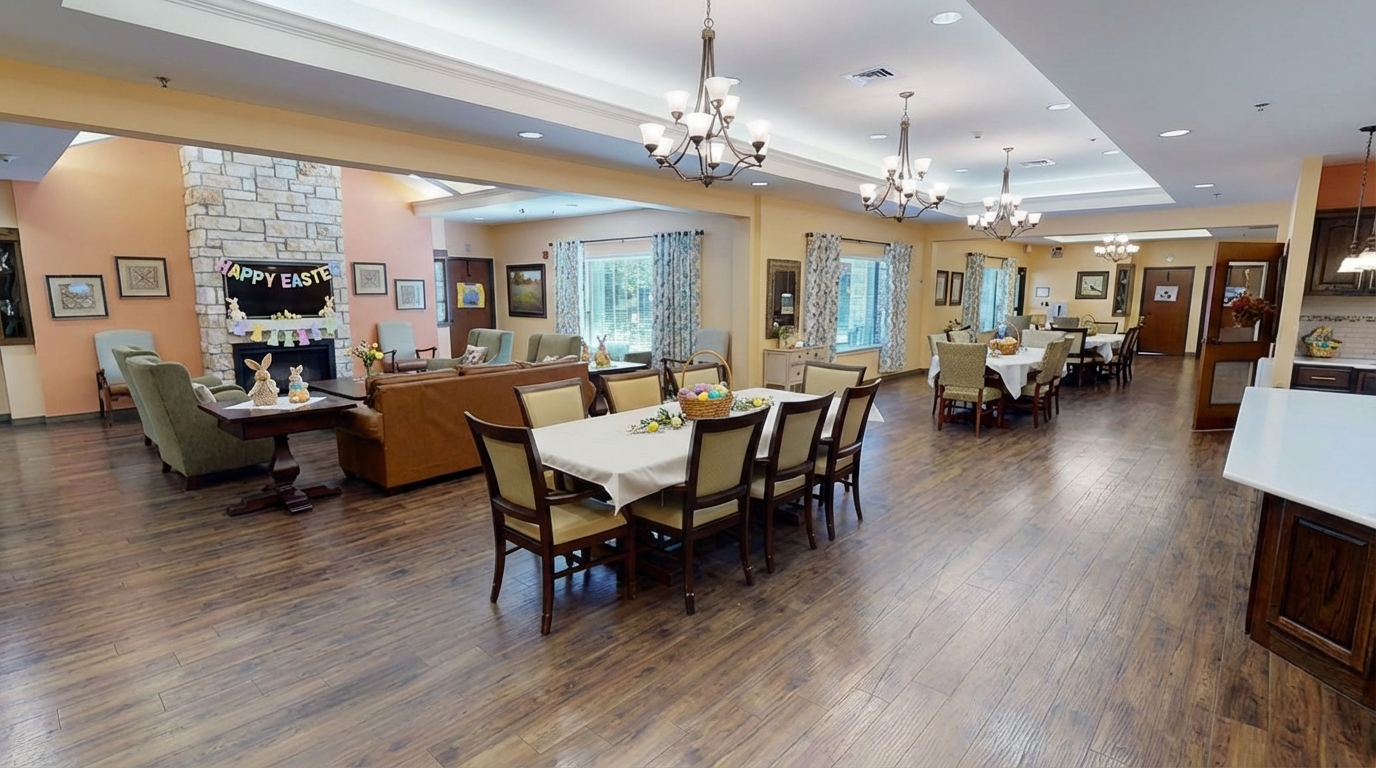
- Comfortable furnishings instead of medical-looking decor
- Cozy living rooms where residents gather
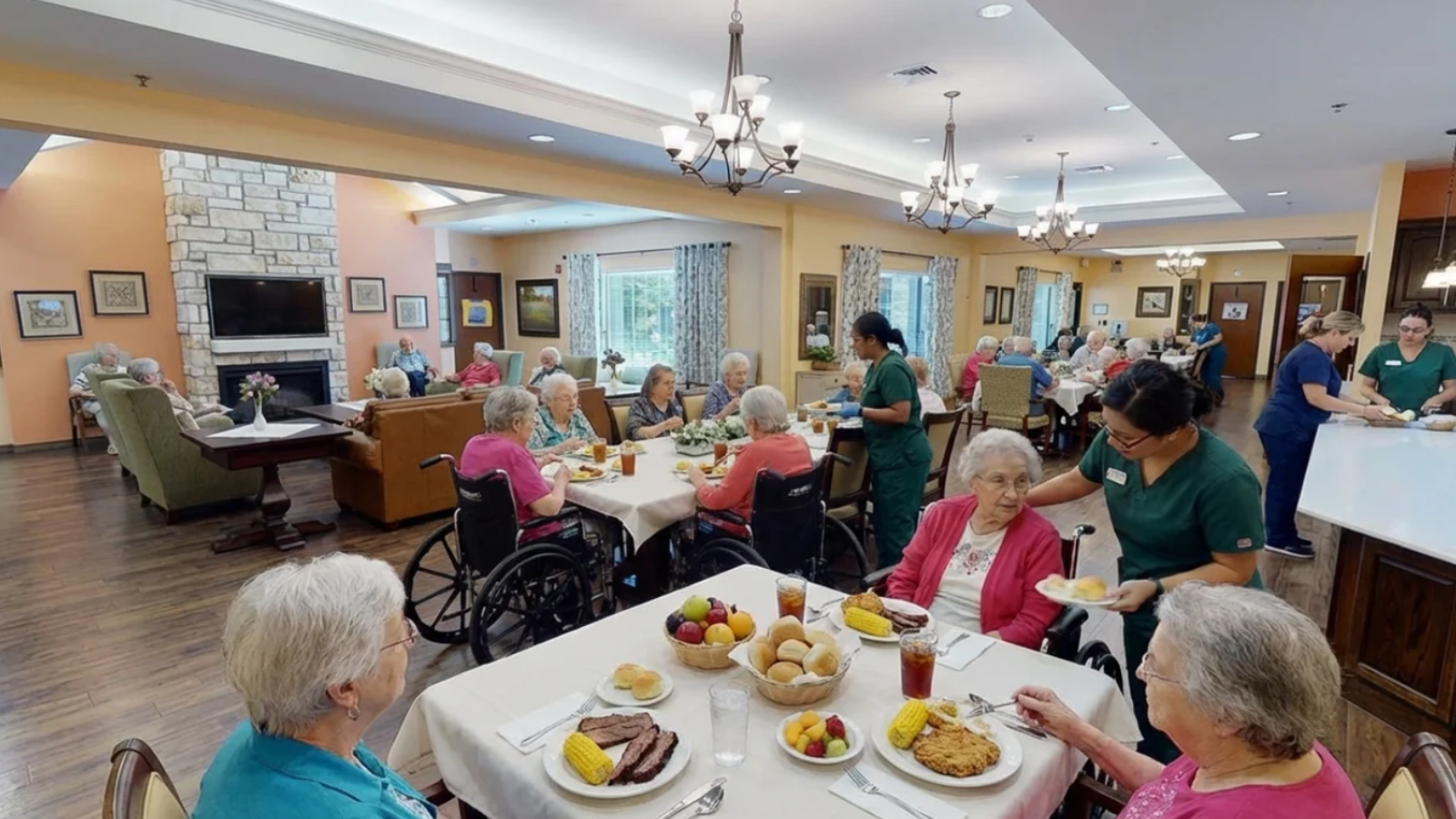
- Residential kitchens where meals are prepared with care
- Secure yards or patios where residents can enjoy fresh air
In this home-style setting, caregivers are not strangers in scrubs walking through a facility. They are part of the daily life of the house. That natural closeness builds familiarity, which is exactly what seniors with memory loss need.
Trust Built Through Repeated, Gentle Care
Care tasks such as bathing, dressing, or toileting can be very sensitive for seniors, especially when memory loss is involved. Being undressed or helped in the bathroom by someone they do not recognize can easily trigger fear or anger.
Consistent caregivers help in several ways:
- Predictable voices and faces
When the same caregiver helps with personal care each day, your loved one begins to expect them. Even if the resident cannot remember their name, the face and voice become reassuring. - Knowledge of personal preferences
A caregiver who works regularly with the same resident knows practical details that bring comfort: - How warm they like the shower water
- Whether they prefer a bath in the morning or evening
- Which clothing feels best and which fabrics irritate them
- Respect for dignity
Over time, a relationship forms. The caregiver understands when to joke gently and when to stay quiet. They know how to explain each step in a simple, calm way that the resident can follow. That kind of personal dignity is much easier to protect when the caregiver is not a revolving door of new faces.
At Mercy House, this is not theory. We see residents who once resisted bathing become more relaxed as they learn to trust the caregivers who help them day after day.
Routine as a Comforting Guide
Routine is one of the strongest tools we have in memory care. It gives structure to a brain that is losing its ability to process new information.
Consistent caregivers are the ones who carry that routine forward.
Daily rhythms that soothe
In a Mercy House home, each day follows a gentle, predictable pattern:
- Waking up and morning care at similar times
- Meals served on a familiar schedule
- Regular activity times such as music, light exercise, or crafts
- Calm evenings with quieter activities to wind down
Because our caregivers work closely with the same residents, they become the guides through that routine. A familiar caregiver walking a resident to breakfast at the same time each morning is far less confusing than a stranger giving different directions.
Recognizing when the routine needs adjusting
Consistency does not mean ignoring change. It means knowing your loved one well enough to spot when something is off.
Our caregivers in each Mercy House home learn what is normal for each resident. That helps them notice when:
- A normally social resident withdraws from activities
- Someone who usually eats well begins to skip meals
- A resident who is typically steady on their feet starts to shuffle
or lose balance
Because the same caregivers see the same residents, they catch those changes early and bring them to our care team’s attention. That is how we keep care not only consistent, but responsive.
Emotional Security for Families Too
The value of consistent caregivers is not just for the resident. It matters deeply to families as well.
When you move a parent into memory care, you are not only trusting that they will be safe. You are trusting that they will be treated with kindness by people who truly know them.
At Mercy House, families quickly get to know the main caregivers in each home. Instead of calling a main desk at a huge building and hoping someone has answers, you can speak with staff who:
- Know what your mom ate for lunch
- Remember how your dad did in his exercise group today
- Can tell you whether your loved one has been sleeping well this week
That sense of relationship and continuity eases some of the heavy emotional load you are carrying. You are not leaving your parent with strangers. You are partnering with a small, steady team.
Activities, Friendship, and Familiar Support
Life in a Mercy House home is not only about medical care. It is about living.
Residents enjoy:
- Group activities like music, games, and gentle exercise
- One on one time such as reading, conversation, or looking through photo albums
- Time outdoors in safe, secure areas
Consistent caregivers play a big role here too. A familiar caregiver is often the one who knows just how to encourage a hesitant resident to join in, or how to adjust an activity to match their abilities.
For example, a caregiver who has worked with Mrs. Johnson for months will know that she:
- Loves old gospel hymns
- Needs a little extra help shuffling cards
- Does best in smaller groups instead of large, noisy ones
That kind of personal knowledge can turn an activity from stressful to enjoyable. Over time, residents form genuine connections with both caregivers and other residents. In a small Mercy House setting, those bonds are easier to build and maintain.
How to Ask About Consistency When Touring Homes
If you are looking for a place for your loved one, it is worth asking detailed questions about caregiver consistency. Here are a few you might bring along when you visit any community, including Mercy House:
- How many residents live in this home
- What is your typical staff-to-resident ratio
- Will my loved one see the same caregivers most days
- How do you handle staff assignments to keep familiar faces with the same residents
- How do caregivers share updates about my loved one with me
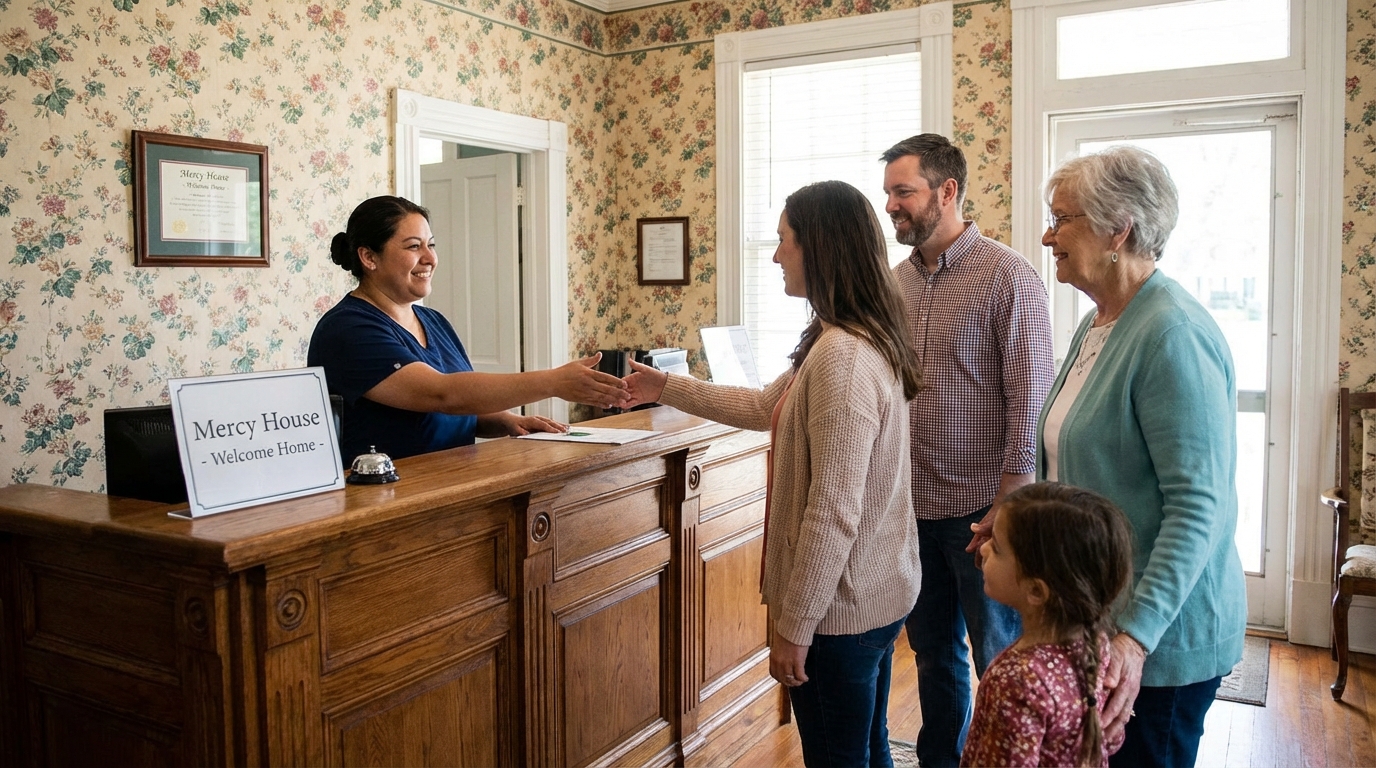
When you tour a Mercy House home, you will see that our smaller size and home-style approach naturally support consistent caregiving. You will notice caregivers greeting residents by name, knowing their stories, and moving through the home in a calm, unhurried way.
Mercy House: Six Homes Across Texas, One Philosophy of Consistent Care
No matter which Mercy House home you visit in Texas, you will find the same guiding beliefs:
- Seniors with memory loss deserve to live in a real home, not a large, impersonal institution
- Familiar caregivers and stable routines bring comfort, dignity, and peace of mind
- Low staff-to-resident ratios are essential for genuine connection
- Families are partners in care, not outsiders
Each of our six Mercy House homes follows this same heart and approach. Residents live in secure, comfortable settings where caregivers know them, not just their diagnosis.
If your family is at the point where you cannot provide care at home any longer, but you are not willing to place your loved one in a big nursing home, you have another option. A Mercy House home may be the right fit.
We are here to answer questions, listen to your concerns, and help you decide what is best for your parent. Above all, we believe that consistent, loving caregivers in a small, home-style setting can make all the difference for seniors living with memory loss.