As a born and raised Texan in my fifties, I have walked alongside more than a few families trying to figure out how to care for an aging parent. One of the biggest surprises to many folks is just how much daily activities matter for senior wellbeing, especially for those living with memory loss.
At Mercy House, across our six small, home-style memory care and assisted living homes here in Texas, activities are not an afterthought. They are at the heart of how we support your loved one’s mind, body, and spirit.
Why Activities Matter So Much in Senior Care
When families first tour a senior community, they often ask about safety, medical care, and staff. All of that is extremely important.
But what your mom or dad does all day is just as important to their quality of life.
For seniors in memory care or assisted living, the right activities can:
- Support clearer thinking and memory
- Maintain strength, balance, and mobility
- Ease anxiety, agitation, and depression
- Encourage friendships and reduce loneliness
- Preserve a sense of purpose and dignity
In our Mercy House homes, residents are not simply passing time. They are engaged in activities that are tailored to their abilities and interests, offered in a calm, cozy environment that feels like home.
Cognitive Benefits Keeping the Mind Engaged
Memory loss does not mean someone stops enjoying learning, remembering, or creating. In fact, gentle mental stimulation can help slow decline and improve day to day functioning.
At Mercy House, we use activities to support cognitive health in ways that feel natural and enjoyable, not like homework.
Examples of cognitive activities we use
- Reminiscence time Looking through old photos, talking about favorite Texas foods, or sharing stories about raising kids. Long term memories are often easier to access and can bring comfort and joy.
- Music and singing Old hymns, country classics, and familiar tunes can “wake up” parts of the brain that other activities do not reach. Residents often remember lyrics even when other words are hard to find.
- Simple word and number games Short, low-pressure games like matching words, simple trivia, or reading short devotionals aloud. The goal is success and enjoyment, not competition.
- Art and crafts Painting, coloring, arranging artificial flowers, or seasonal crafts help with focus, creativity, and hand eye coordination.
- Sensory activities Folding warm towels, shelling peas, holding smooth stones, or smelling herbs like rosemary can calm the nervous system and stimulate memory.
These activities are chosen to match each resident’s abilities. Our low staff to resident ratio in our six homes means caregivers have the time to gently guide, encourage, and adapt on the spot.
Physical Benefits Keeping the Body Moving
As we age, it becomes easy to sit more and move less. For seniors with memory loss, this can happen even faster. Without support, they may stop walking as much, lose strength, and be at greater risk for falls.
Movement does not have to be intense to be helpful. At Mercy House, we build small, safe physical activities into the rhythm of the day.
How activities support physical wellbeing
- Improved balance and strength Chair exercises, short walks through the home or courtyard, and gentle stretching all help keep muscles working and joints flexible.
- Better circulation and energy Light movement throughout the day can reduce stiffness, swelling, and daytime sleepiness.
- Fall risk reduction Practicing standing, turning, and walking under supervision helps residents stay more stable and confident.
- Appetite and sleep Residents who move their bodies tend to eat better and sleep more soundly.
Types of physical activities we offer
- Guided chair exercise to music
- Short walks indoors or in secure outdoor spaces
- Simple dance or “movement to music” sessions
- Safe, light household tasks like folding laundry or setting napkins
- Stretching and range of motion activities
Because our Mercy House homes are small and home-like, staff can keep a close eye on how residents are doing physically. If someone seems tired, unsteady, or sore, activities can be adjusted in the moment.
Social Benefits Connection and Belonging
One of the hardest parts of aging for many Texans is feeling cut off from church, neighbors, and long-time friends. Memory loss can make conversations harder and social events overwhelming.
Yet people with dementia still have a deep need for company, respect, and a sense of belonging. This is where thoughtful activities make a big difference.
How activities support social health
- Encouraging friendships Small group games, shared meals, and group crafts give residents a way to interact comfortably.
- Reducing loneliness A friendly caregiver inviting a resident to join a simple activity can ease isolation and lift mood.
- Preserving identity Activities that reflect someone’s past work or hobbies, like gardening or helping in the kitchen, reinforce who they are, not just their diagnosis.
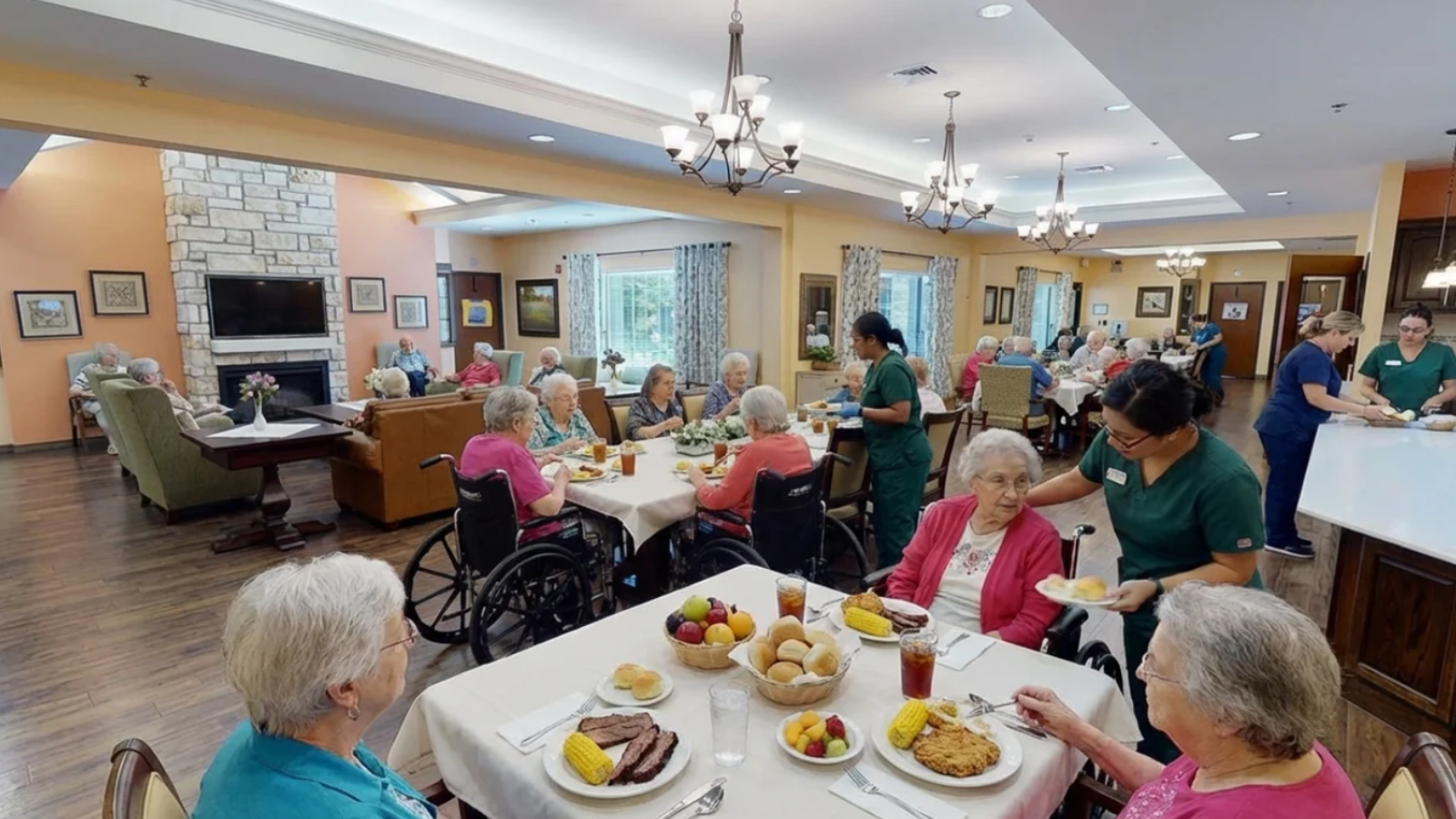
- Creating a sense of normal daily life Gathering around a table for coffee, singing together, or watching a favorite show together feels more like family and less like a medical setting.
In our six Mercy House homes, residents see the same familiar faces every day, both staff and neighbors. That consistency helps them feel safe enough to join in, even on days when memory is foggy.
What Makes Mercy House Activities Different
There are plenty of large, institutional places where activities mean a big calendar on the wall and one overwhelmed staff member trying to juggle it all. That is not how we do things at Mercy House.
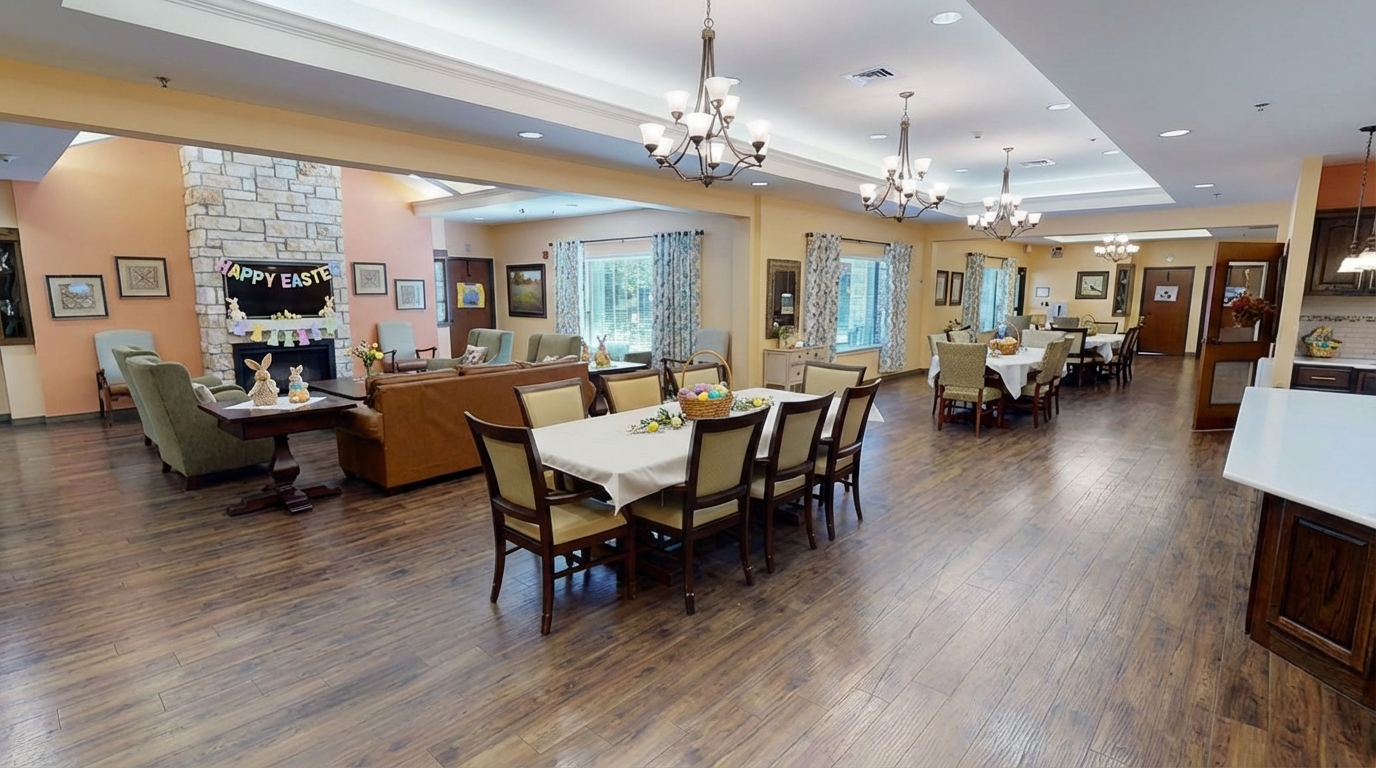
We are small by design. Each Mercy House location is a real home with a limited number of residents, cozy common rooms, and a calm, family style setting. That home style layout allows us to offer activities that are personal, flexible, and meaningful.
1. Small homes mean personalized attention
With fewer residents in each home, staff know each person’s history, likes, dislikes, and daily patterns. That allows us to
- Invite residents into activities they actually enjoy
- Notice early when someone is withdrawing or declining
- Adjust activities to match how they are doing that day
If your mom was a teacher, we might involve her in reading to others or helping “check” picture cards. If your dad loved fishing, we might set up a simple activity that lets him sort lures or talk about lakes he remembers.
2. A low staff to resident ratio supports safe engagement
Activities only work if someone has time to lead them well. Our staffing levels in every Mercy House home give caregivers room to
- Sit with residents during an activity instead of just standing in the doorway
- Gently encourage those who feel unsure or shy
- Redirect residents who become anxious without making them feel scolded
For memory care residents, that patient, hands on support is essential.
3. A calm environment that feels like home
A loud, crowded building can overload someone with dementia. Mercy House homes are quieter and less confusing. That means
- Residents can focus better during activities
- Group time is less stressful
- Transitions between activities, meals, and rest are smoother
This is especially important for those who become easily agitated or overwhelmed by noise and commotion.
4. Activities built into everyday life
Not every activity has to be on a formal schedule. At Mercy House, much of the best “activity” happens within normal daily routines.
- Helping fold towels or sort socks
- Watering plants on the porch
- Sitting with staff while they prepare the table
- Sharing morning coffee and conversation
These simple tasks provide purpose and structure while honoring the resident as a contributing member of the household.
Adapting Activities for Different Stages of Memory Loss
Families often ask, “My mother is pretty far along in her dementia. Can she still participate in activities” The answer is usually yes, as
long as the activity matches her abilities.
At Mercy House, we adapt activities so that everyone can join in at some level.
Early to moderate memory loss
Residents at this stage may enjoy:
- Group games and light conversation
- More involved crafts or baking projects
- Reading along with staff or following simple directions
Moderate to advanced memory loss
Residents at this stage may need shorter, simpler, more sensory based activities, such as
- Listening to familiar music
- Hand massage with lotion
- Holding soft blankets, quilt squares, or comfort items
- Watching birds at a feeder
- Gentle guided movement while seated
The goal shifts from “finishing a project” to “experiencing comfort, connection, and moments of joy.” With our smaller homes, staff can focus on those moments instead of rushing from one large group to another.
How Families Can Partner with Us
If you are considering Mercy House for your loved one, your input is one of our best tools for planning meaningful activities.
When you visit or speak with us, share things like:
- Past hobbies and interests
- Favorite music, hymns, or TV shows
- Former work or volunteer roles
- Special traditions, recipes, or sports teams
- Activities that tend to calm or upset your loved one
Our team can often build small pieces of your loved one’s life story into the daily rhythm of the home. Maybe it is playing her favorite Patsy Cline song in the afternoon, or letting him “supervise” while staff water the plants.
A Typical Day of Activities at Mercy House
Every home is a little different, but here is an example of how activities might weave through a day for a memory care resident at Mercy House:
- Morning Unhurried breakfast, conversation at the table, light stretching or chair exercise, simple brain games or devotion time.
- Late morning Small group craft, short walk inside the home, or music session.
- Afternoon Quiet rest time, then a sensory activity like sorting, folding, or aromatherapy, followed by maybe a movie, hymn sing, or visiting time.
- Evening Calming activities, soft music, simple conversation, and a bedtime routine that encourages peace and security.
This mix of structure and flexibility helps residents feel safe and oriented without being rushed or overstimulated.
Why Activities Are So Important When You Are Choosing a Home
If you are at the point where your family simply cannot provide the level of care your loved one needs at home, choosing the right place can feel overwhelming. As you compare options in Texas, look closely at how each community handles daily activities.
Questions you might ask:
- How many residents live in each home or building?
- What kind of activities are offered for those with memory loss?
- How many staff are available to support those activities?
- Are activities truly adapted for different levels of ability?
- Do residents look engaged, relaxed, and included when you visit?
At Mercy House, we welcome these questions. We believe what your loved one does all day and how they feel doing it is just as important as medication and meals.
Activities as an Expression of Love
In the end, activities are really about love and respect. They say to your aging parent, “You still matter. Your days still have meaning. Your story is still important.”
In our six Mercy House homes across Texas, we use activities not only to support cognitive, physical, and social health, but to affirm the worth of every resident who lives with us.
If you are searching for a home style memory care or assisted living setting where your loved one can be safe, known, and gently engaged each day, we would be honored to talk with you about Mercy House and what daily life looks like here.
Your mom or dad deserves more than a room. They deserve a home where they can still laugh, participate, and belong. That is the role of activities in senior wellbeing, and it is a commitment we live out every day at Mercy House in Texas.